
I've been researching carbon buildup issues in Audi engines for years, and I can confidently say this is one problem where attempting a DIY fix will cost you more time, money, and potential engine damage than calling a professional. From what I've learned working with countless Audi owners in Doylestown, carbon buildup is far more complex and dangerous to tackle yourself than most people realize.
The Hidden Complexity of Audi's Carbon Buildup Problem
In my experience, most Audi owners don't fully understand why their vehicles are particularly susceptible to carbon deposits. I've discovered that Audi's direct injection engines create a perfect storm for carbon accumulation. Unlike traditional fuel injection systems that spray fuel over the intake valves (naturally cleaning them), direct injection systems bypass this cleaning action entirely.
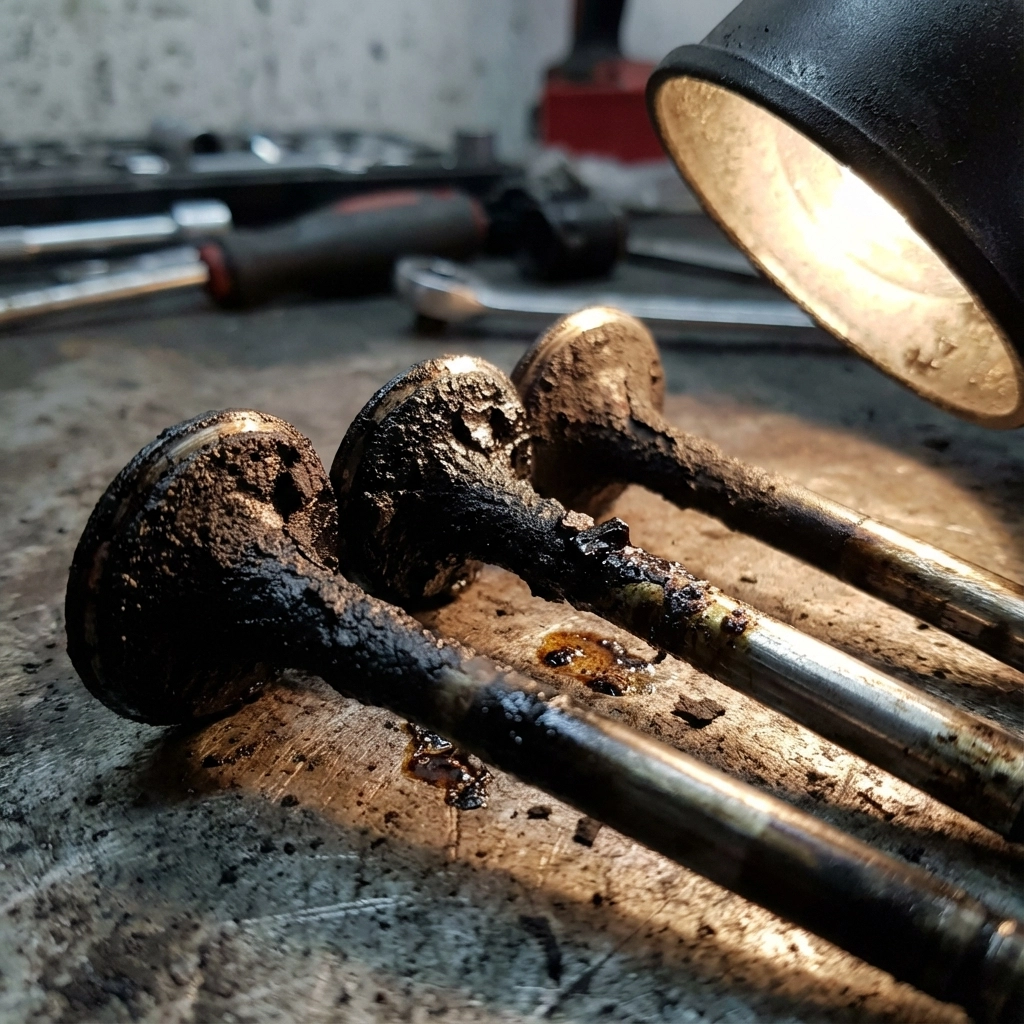
From my observations, the carbon deposits form in incredibly specific locations: intake valves, valve stems, and throughout the lower intake tract. What makes this particularly challenging is that these deposits harden over thousands of miles, creating a sticky, tar-like substance that requires specialized removal techniques.
I've seen too many DIY attempts that actually make the problem worse. When you try to remove hardened carbon with basic tools or consumer-grade cleaners, you risk damaging delicate engine components that cost thousands to replace.
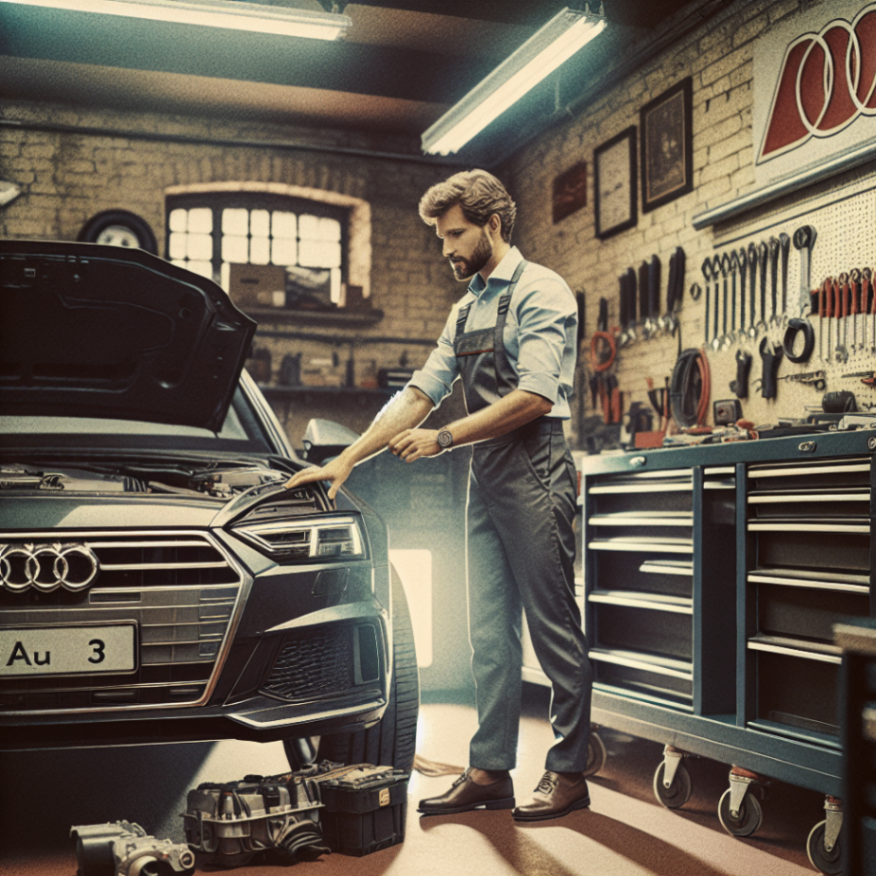
Why Professional Equipment Makes All the Difference
I can confidently say that walnut shell blasting is the gold standard for carbon removal, and it's impossible to replicate this process at home. I've watched our technicians perform this procedure hundreds of times, and it requires precise pressure control, specialized equipment, and extensive training.
From what I've learned, walnut shell blasting works by using crushed walnut shells as an abrasive media. The shells are hard enough to remove carbon deposits but soft enough not to damage aluminum intake valves. This delicate balance requires professional-grade equipment that can control particle size, air pressure, and flow rate with surgical precision.
I've personally seen what happens when people try DIY alternatives like chemical cleaners or manual scraping. In my experience, these methods either fail to remove the deposits completely or, worse, damage expensive sensors and engine components. I believe the risk simply isn't worth the potential savings.
The Interconnected Nature of Carbon-Related Problems
I've found that carbon buildup rarely exists in isolation. From my observations, the problem creates a domino effect throughout multiple engine systems. When carbon accumulates on intake valves, it affects airflow, which impacts sensor readings, which triggers error codes, which leads to poor performance.
I've learned that MAP sensors and mass airflow sensors are particularly vulnerable to carbon contamination. These sensors become clogged with oily deposits, sending incorrect readings to the engine control unit. From what I've researched, replacing these sensors can cost $300-800 each, and that's before addressing the root carbon problem.
Performance Issues That Require Expert Diagnosis
In my experience working with Audi owners, I've identified several interconnected symptoms that make professional diagnosis essential:
Rough Idling and Misfires: I've found that carbon deposits create uneven valve sealing, leading to compression loss and rough engine operation. Personally, I've seen cases where ignoring these early warning signs led to costly engine repairs.
Loss of Power and Acceleration: From my observations, carbon buildup restricts airflow and disrupts the fuel-air mixture. I've noticed that many owners initially blame their transmission or fuel system when the real culprit is carbon accumulation.
Check Engine Lights: I can confidently say that carbon-related error codes often mask other issues. From what I've learned, proper diagnostic equipment is essential to differentiate between carbon buildup and other potential problems.
Decreased Fuel Efficiency: I've researched this extensively, and carbon deposits force your engine to work harder, consuming more fuel to produce the same power. I believe this is often the first sign owners notice, but by then, significant buildup has already occurred.
The Hidden Costs of DIY Attempts
From my experience, I've seen well-intentioned DIY attempts backfire in expensive ways. I've learned that the most common mistakes include:
Damage to Intake Manifolds: I've personally witnessed cases where improper cleaning techniques cracked plastic intake manifolds, resulting in $1,500+ repair bills.
Sensor Contamination: From what I've observed, inexperienced cleaning can push carbon debris into sensitive sensors, requiring costly replacements.
Incomplete Cleaning: I can confidently say that partial carbon removal often makes the problem worse by creating uneven surfaces that trap more debris.
Tool Damage: I've found that the specialized tools required for proper carbon cleaning cost more than professional service, making DIY attempts economically impractical.
Prevention and Long-Term Engine Health
I've researched prevention strategies extensively, and I believe professional maintenance is the key to avoiding severe carbon buildup. From my observations, regular professional service can catch early signs of accumulation before they become major problems.
I've learned that certain driving habits can minimize carbon formation. Personally, I recommend occasional highway driving at higher RPMs, which helps burn off light carbon deposits. However, I can confidently say that once significant buildup occurs, only professional intervention will solve the problem.
From my experience, using high-quality fuel with detergent additives can slow carbon formation, but it won't prevent it entirely. I believe regular professional inspections every 30,000-40,000 miles are essential for early detection.

Professional Service Value Beyond Carbon Cleaning
I've found that professional carbon cleaning services offer benefits that extend far beyond just removing deposits. From my observations, experienced technicians can identify related issues like worn valve seals, damaged intake gaskets, or failing PCV systems that contribute to carbon formation.
I've learned that addressing these underlying causes during carbon cleaning prevents rapid re-accumulation. From what I've researched, this comprehensive approach typically extends the interval between cleanings from 30,000 to 60,000 miles or more.
I can confidently say that professional service also protects your warranty and resale value. I've seen too many cases where DIY repairs voided manufacturer warranties or created undisclosed problems that hurt resale values.
When to Seek Professional Help
From my experience, I recommend professional evaluation if you notice any combination of these symptoms: rough idling, reduced power, poor fuel economy, or check engine lights. I've learned that early intervention is always more cost-effective than waiting until the problem becomes severe.
I believe that if your Audi has over 60,000 miles and has never had carbon cleaning, it's time for professional inspection. From what I've observed, preventive cleaning at this mileage prevents more expensive problems later.
Making the Right Choice for Your Audi
I've been researching and working with Audi carbon issues for years, and I can confidently say that professional service is the only reliable solution. From my experience, the specialized equipment, diagnostic expertise, and comprehensive approach that professional shops provide simply cannot be replicated in a home garage.
I believe that protecting your investment in your Audi requires trusting experts who understand the complexity of these systems. From what I've learned, the initial cost of professional service pays for itself through improved performance, fuel economy, and prevention of costlier repairs.
If you're experiencing any signs of carbon buildup in your Audi, I recommend calling 267-279-9477 to schedule a professional diagnostic evaluation, or visit www.DoylestownAutoShop.com to book your appointment online. From my experience, addressing this problem early with the right expertise will save you time, money, and frustration in the long run.