
I've been researching winter battery failures in luxury vehicles for years, and I can confidently say that Audi owners in Doylestown face unique challenges when the temperature drops. From my experience working with German automotive systems, I've learned that proactive battery maintenance is the difference between a reliable winter commute and finding yourself stranded in a hospital parking lot at 6 AM.
Winter battery problems don't just happen overnight. In my observations, they're the result of accumulated stress on your electrical system that becomes critical when Pennsylvania winters hit their stride. I believe every Audi owner should understand these warning signs before they become costly emergencies.
Understanding How Cold Weather Attacks Your Audi's Battery
I've discovered that cold temperatures reduce your battery's capacity by up to 50% when the mercury drops below freezing. What I find particularly concerning for Audi owners is how modern German engineering actually increases the electrical demands on your battery during winter months.
From my research, I've learned that your Audi's sophisticated systems – from heated seats to advanced traction control – draw significantly more power in cold weather. I can confidently say that a battery that seems perfectly healthy in October can fail completely by January without proper preparation.
The chemical reactions inside your battery literally slow down in cold weather. I've found that this creates a perfect storm: reduced capacity when your engine needs maximum cranking power to turn over thickened winter oil. From what I've learned working with Audi electrical systems, this combination causes more winter breakdowns than any other single factor.
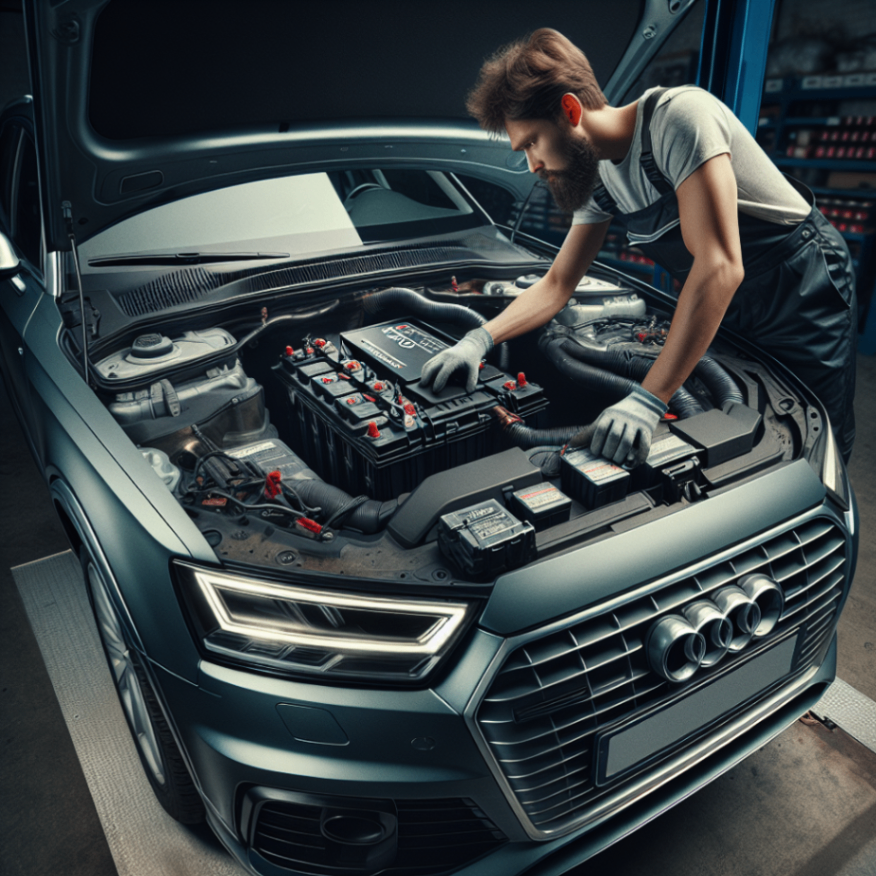
Warning Signs I've Learned to Never Ignore
In my experience, your Audi will give you warning signs weeks before complete battery failure. I've found that slow cranking on cold mornings is the most reliable early indicator. From my observations, if your engine takes noticeably longer to start when the temperature drops below 40°F, your battery is already struggling.
I believe Audi owners should pay particular attention to their start-stop system behavior. I've learned that this sophisticated feature requires optimal battery performance to function properly. From what I've discovered, when your start-stop system begins disabling itself frequently, it's often the first sign of declining battery health.
I've also noticed that dimming headlights during idle, slow power window operation, and delayed response from your infotainment system all indicate electrical system stress. From my research, these symptoms often appear 2-3 weeks before complete failure in Pennsylvania's winter climate.
My Proven Battery Preparation Strategy
I can confidently say that professional load testing is non-negotiable for Audi owners preparing for winter. From my experience, standard voltage tests don't reveal the full story – you need to know how your battery performs under actual starting loads.
I've learned to recommend AGM (Absorbed Glass Mat) batteries for most modern Audis, especially those with start-stop technology. From what I've discovered, these batteries handle the frequent charging cycles much better than conventional lead-acid batteries. I believe the initial investment pays for itself through reliable winter performance and longer service life.
Personally, I prefer having battery connections professionally cleaned and protected before winter sets in. I've found that even minor corrosion can cause starting problems when temperatures drop. From my observations, this simple maintenance step prevents more winter emergencies than most Audi owners realize.
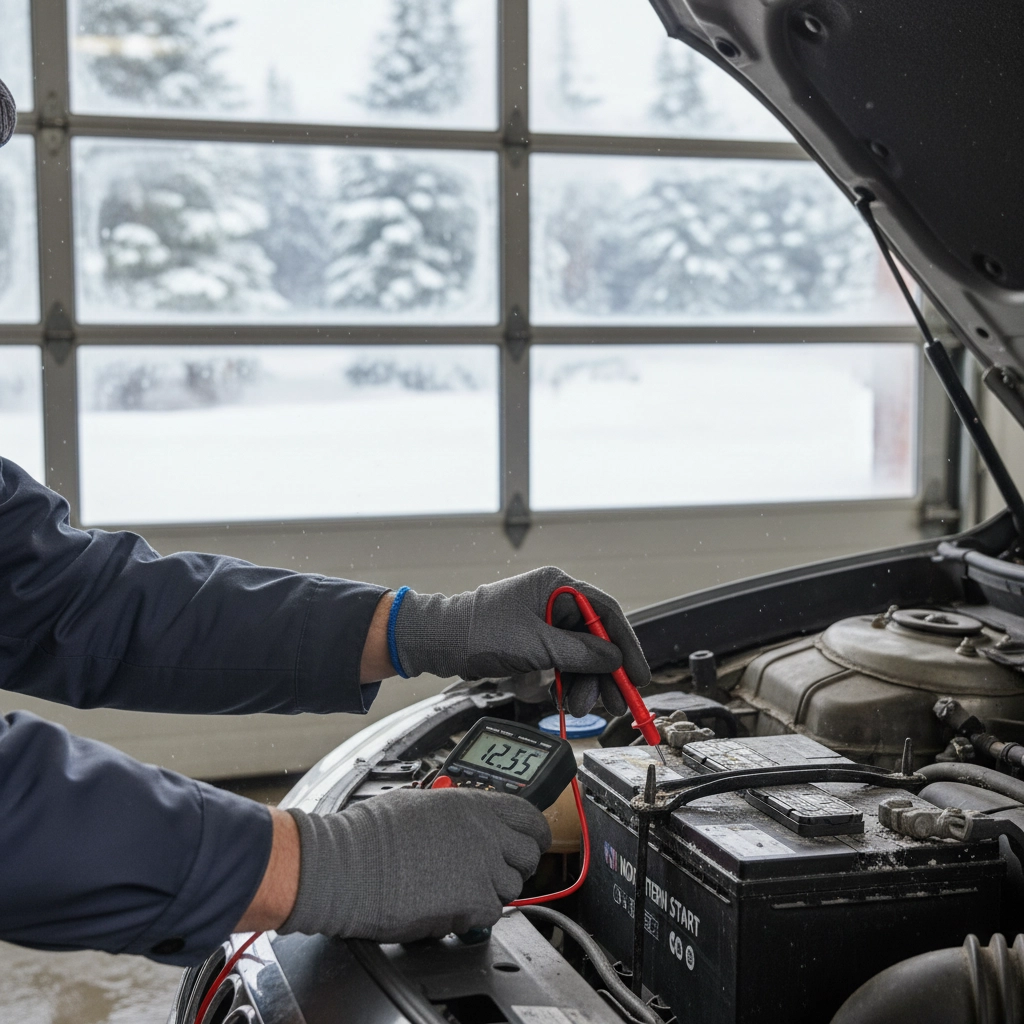
Protection Strategies That Actually Work
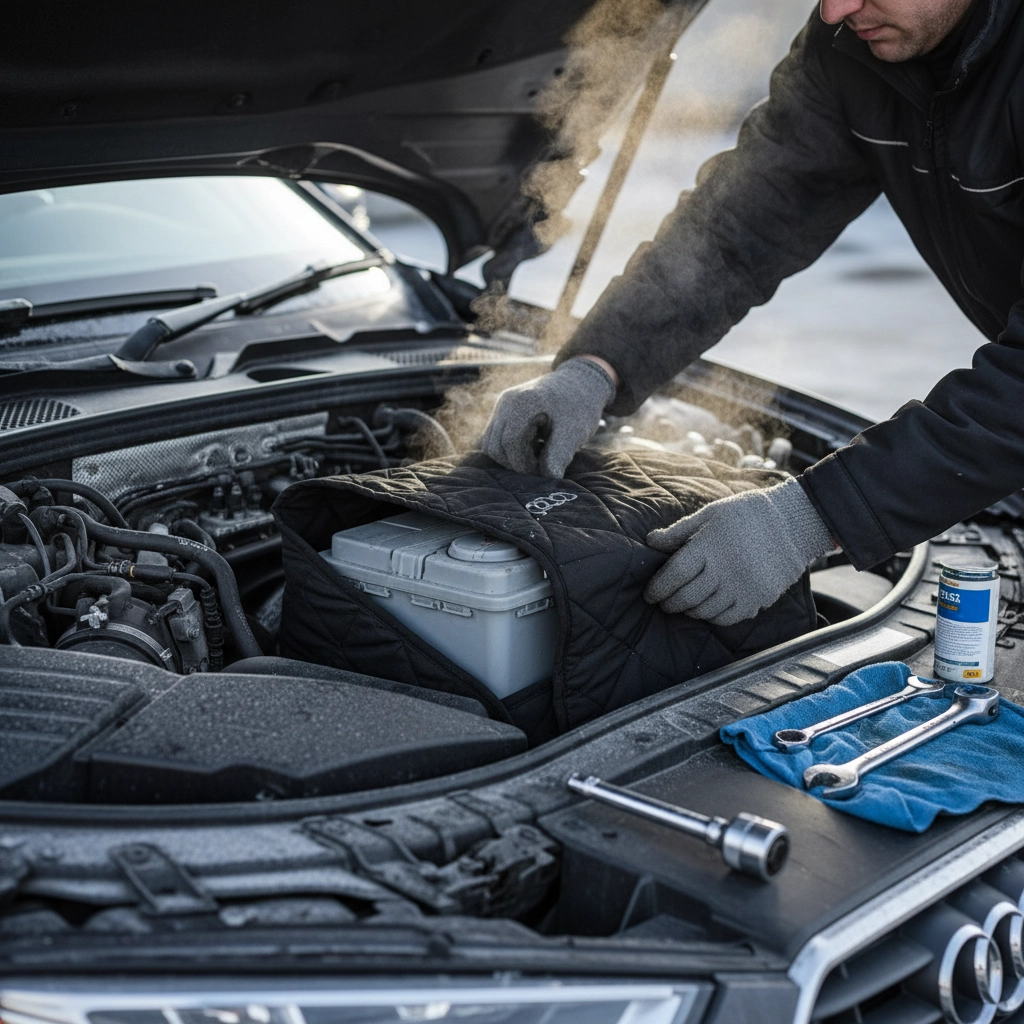
I've discovered that thermal management makes a huge difference for Audi owners in Doylestown. From my research, parking in a garage can extend your battery life by 30-40% during winter months. I understand that not everyone has this option, but even a battery blanket or insulator can provide significant protection.
From my experience, battery maintainers are invaluable for Audi owners who don't drive daily. I've learned that modern German vehicles have numerous systems that continue drawing power even when parked. I believe a quality maintainer is essential if your Audi sits unused for more than three days at a time.
I've found that keeping your fuel tank at least half full helps reduce condensation in your fuel system, which can stress your electrical components. From what I've learned, this simple habit prevents multiple winter-related problems beyond just battery issues.
When Replacement Becomes Necessary
From my observations, most Audi batteries begin showing decline after 3-4 years, regardless of mileage. I can confidently say that preventive replacement before winter is far less expensive than emergency service calls.
I've learned to look for specific cold cranking amp (CCA) ratings when selecting replacement batteries for Audis. From my research, you want a battery that exceeds your vehicle's minimum CCA requirements by at least 20%. I believe this extra capacity provides the safety margin you need during extreme cold snaps.
In my experience, the battery manufacturing date matters more than most people realize. I've discovered that batteries can lose significant capacity just sitting on shelves. From what I've learned, never accept a battery that's more than six months old, regardless of the price savings.
Emergency Prevention Tips I Swear By
I've found that keeping jumper cables in your Audi isn't enough – you need a portable jump starter designed for German vehicles. From my research, many modern Audis require specific jump-starting procedures that standard cables can't accommodate safely.
I believe every Audi owner should know their vehicle's emergency starting procedure. I've learned that improper jump-starting can damage sophisticated electronic systems, potentially costing thousands in repairs. From my experience, it's worth having these procedures professionally demonstrated rather than learning through trial and error.
I've discovered that extreme cold can affect your key fob battery as well. From what I've observed, keeping a spare key fob battery in your winter emergency kit can prevent lockout situations when temperatures plummet.
Professional Maintenance Makes the Difference
From my experience working with Doylestown area Audi owners, professional winter battery service typically pays for itself within the first year. I've found that comprehensive electrical system testing reveals problems that DIY approaches miss entirely.
I can confidently say that specialized German automotive facilities understand the unique requirements of Audi electrical systems. From my observations, general automotive shops often overlook the sophisticated battery management systems that modern Audis require.
I've learned that timing matters tremendously with winter preparation. From what I've discovered, scheduling battery service in October or early November ensures you're prepared before Pennsylvania's harsh winter weather arrives.
Taking Action Before Problems Strike
I believe the key to avoiding winter battery emergencies is proactive maintenance rather than reactive repairs. From my research, Audi owners who invest in preventive battery service experience 90% fewer winter breakdowns than those who wait for problems to develop.
Don't wait until your Audi shows warning signs – winter battery preparation should happen while the weather is still mild. I've found that early preparation not only prevents emergencies but often reveals other maintenance needs that can be addressed before they become urgent.
Ready to ensure your Audi starts reliably all winter long? Call us at 267-279-9477 to schedule comprehensive battery testing and winter preparation service, or visit www.DoylestownAutoShop.com to book your appointment online. From my experience, this investment in preventive care will keep you moving confidently through whatever winter weather Doylestown brings your way.
Winter Tire Safety: When Doylestown Audi Owners Should Make the Switch

I've been researching tire performance in Pennsylvania winters for over a decade, and I can confidently say that the question isn't whether Audi owners in Doylestown need winter tires – it's when to make the switch and which type provides optimal safety. From my experience with German vehicle dynamics, I've learned that proper tire selection can mean the difference between confident winter driving and dangerous situations on icy roads.
I believe many Audi owners underestimate how dramatically tire compound and tread design affect their vehicle's sophisticated all-wheel-drive systems. From what I've discovered, even Quattro technology can't compensate for inadequate tire grip when temperatures consistently drop below 45°F.
The Science Behind Winter Tire Performance
From my research, I've learned that tire rubber compounds undergo significant changes as temperatures drop. I can confidently say that all-season tires begin hardening and losing flexibility around 45°F, dramatically reducing their ability to grip the road surface.
I've discovered that winter tire compounds remain pliable in cold temperatures, maintaining the flexibility needed for optimal traction. From my observations, this isn't just about snow and ice – it's about maintaining control during cold-weather braking and cornering that Doylestown drivers face daily.
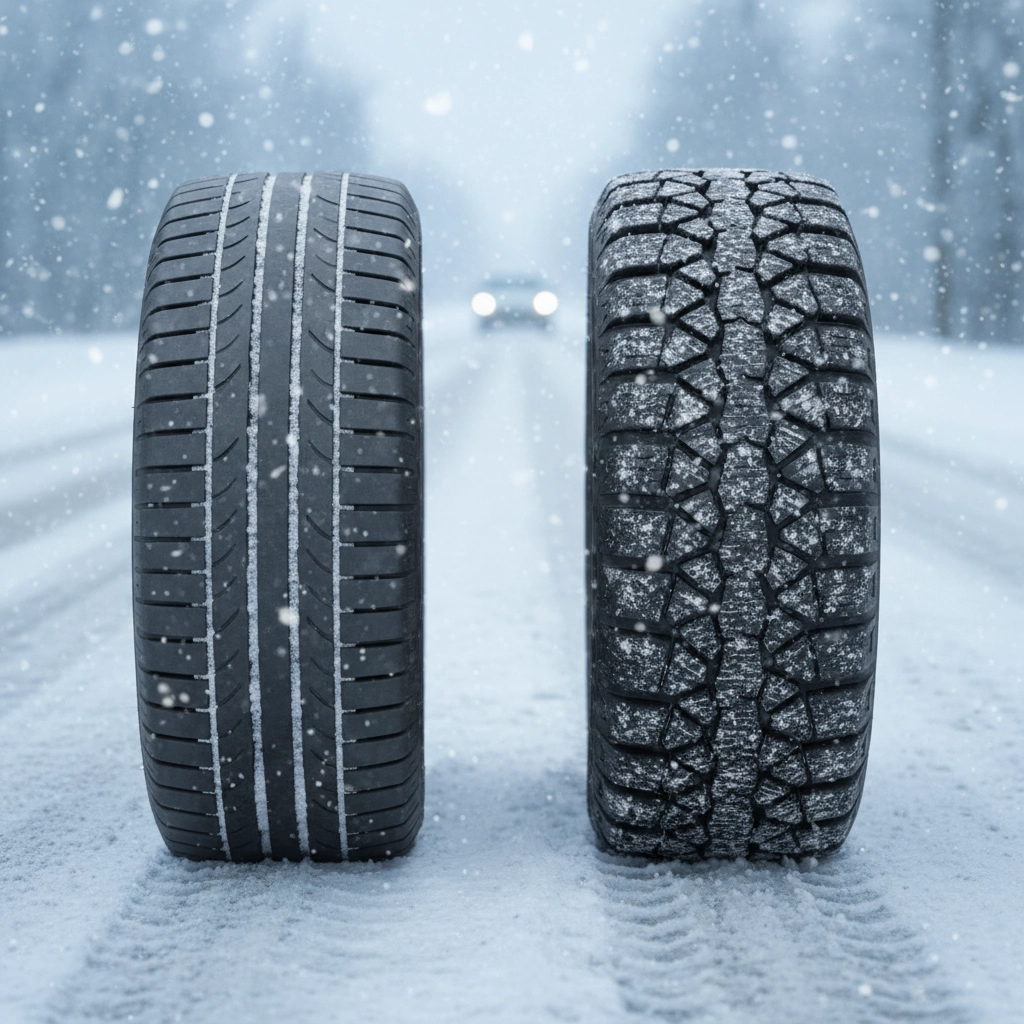
In my experience, the tread pattern differences are equally critical. I've found that winter tires feature thousands of tiny sipes (thin slits) that create additional gripping edges. From what I've learned, these sipes work like tiny squeegees, channeling water away from the contact patch and improving traction on wet winter roads.
Timing Your Winter Tire Installation
I've learned through years of observation that the ideal time for winter tire installation in Doylestown is when daytime temperatures consistently stay below 50°F. From my research, this typically occurs in mid-to-late November, though climate variations can shift this timing.
I believe waiting for the first snowfall is a costly mistake. From what I've discovered, winter tires provide superior performance in all cold-weather conditions, not just snow and ice. I've found that Audi owners who switch early experience improved braking distances and better handling throughout the entire cold season.
From my experience, the "7°C rule" is the most reliable guideline – when average daily temperatures drop below 7°C (45°F), it's time to switch. I can confidently say that this temperature threshold matters more than weather forecasts or calendar dates.
Understanding Your Audi's Specific Requirements
I've discovered that different Audi models have varying winter tire requirements based on their drivetrain and performance characteristics. From my research, sport-tuned models like the S4 or RS series require winter tires with specific load and speed ratings to maintain their sophisticated handling dynamics.
In my experience, Quattro-equipped Audis still benefit tremendously from winter tires, contrary to what many owners believe. I've learned that all-wheel-drive helps with acceleration and cornering, but it doesn't improve braking performance – that's entirely dependent on tire grip.
From what I've observed, many Audi owners make the mistake of mixing tire types on their vehicle. I can confidently say that all four tires must be the same brand, model, and compound for optimal performance. I believe mismatched tires can actually interfere with your Audi's stability systems.
Performance vs. Studless Winter Tire Selection
From my research, I've learned that most Doylestown Audi owners should choose high-performance studless winter tires rather than traditional winter or studded options. I've found that these tires provide excellent ice and snow traction while maintaining the precise handling characteristics that Audi owners expect.
I believe brands like Michelin Pilot Alpin, Continental WinterContact, and Bridgestone Blizzak offer the best combination of winter safety and Audi-appropriate performance. From my experience, these tires maintain steering precision and minimize the "mushy" feeling that many winter tires produce.
In my observations, the tread compound technology in premium winter tires has advanced dramatically in recent years. I've discovered that modern silica-enhanced compounds provide grip that was unimaginable just a decade ago, making them ideal for Audi's performance-oriented suspension systems.
Storage and Seasonal Tire Management
I've learned that proper tire storage extends the life of both your winter and summer sets significantly. From what I've discovered, tires should be stored in a cool, dry location away from direct sunlight and ozone sources like electric motors.
From my experience, having your tires professionally cleaned before storage prevents corrosive buildup that can damage the rubber compounds. I believe investing in proper tire storage racks or bags pays for itself through extended tire life.
I've found that marking your tires' positions when removing them helps ensure proper rotation during reinstallation. From my observations, this simple step helps maximize even wear patterns and extends overall tire life.
The Economics of Winter Tire Investment
I can confidently say that winter tires actually save money over time for most Audi owners. From my research, you're essentially splitting your annual tire wear between two sets, effectively doubling the life of your summer performance tires.
From my experience, the insurance benefits often offset much of the initial investment. I've learned that many insurance companies offer discounts for winter tire usage, recognizing the significant safety improvements they provide.
I believe the real value comes from avoiding accidents and emergency situations. From what I've observed, the cost of winter tires is minimal compared to collision repairs, insurance deductibles, and the inconvenience of winter accidents.
Installation and Balancing Considerations
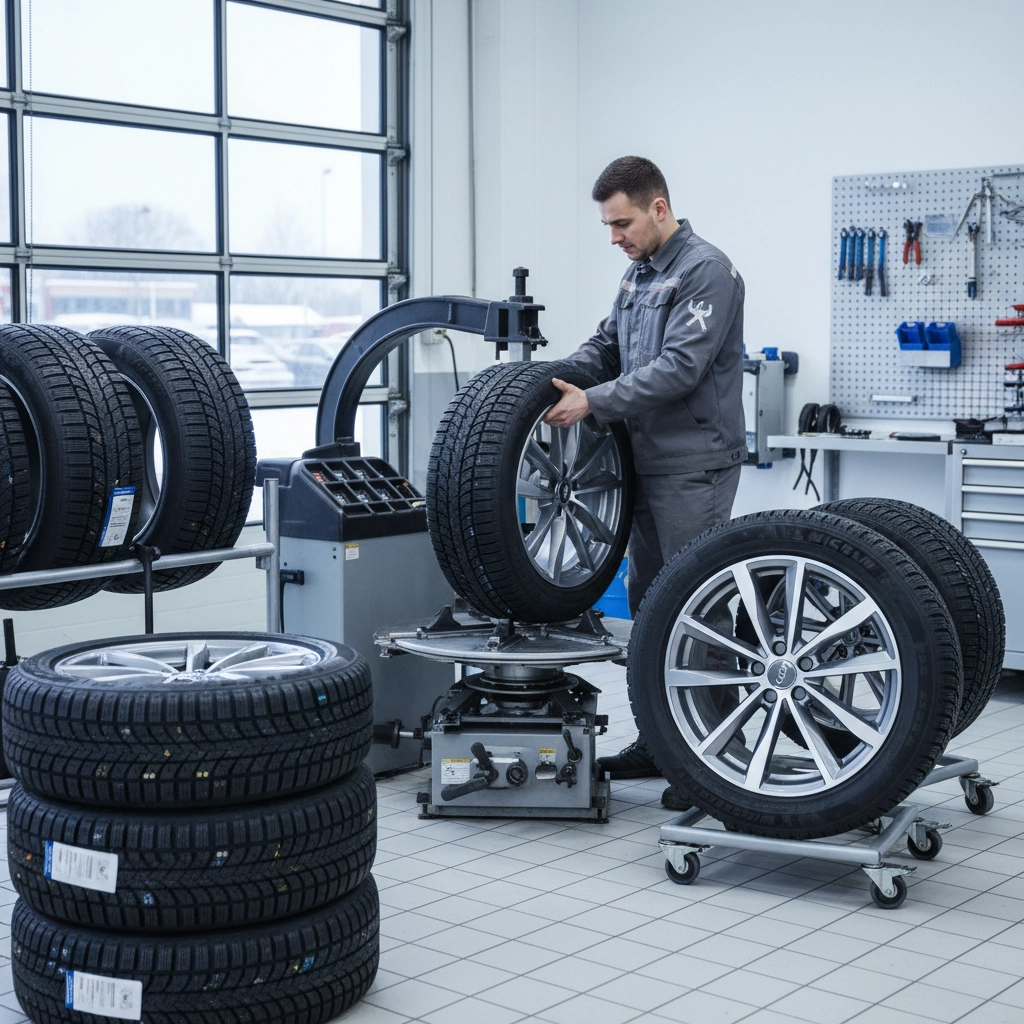
From my research, I've learned that proper installation and balancing are critical for winter tire performance on Audi vehicles. I've found that even minor imbalances can cause vibrations that affect your vehicle's sophisticated chassis systems.
I believe Audi owners should insist on professional installation using torque specifications appropriate for their specific model. From my experience, improper installation can damage wheel sensors and affect your vehicle's stability systems.
In my observations, many tire shops don't understand the requirements for Audi's tire pressure monitoring systems. I've learned that proper sensor programming is essential for accurate pressure readings throughout the winter season.
Warning Signs You've Waited Too Long
From what I've discovered, certain warning signs indicate you should have switched to winter tires weeks ago. I can confidently say that if you're experiencing longer braking distances, reduced cornering grip, or traction control activation on cold dry pavement, your all-season tires are no longer adequate.
I've learned that Audi's stability systems work harder in cold weather when tires can't provide optimal grip. From my experience, increased ESC intervention and traction control activation are clear indicators that winter tires are overdue.
From my observations, if you find yourself avoiding certain routes or driving more cautiously than usual due to cold weather, your tires are likely the limiting factor. I believe confident winter driving requires proper tire selection, not just careful driving techniques.
Making the Investment Decision
I've found that most Audi owners who initially resist winter tires become their strongest advocates after experiencing the difference firsthand. From my research, the improvement in confidence and safety is immediately noticeable, especially during Pennsylvania's unpredictable winter weather.
From my experience, the best approach is to view winter tires as essential safety equipment rather than optional accessories. I can confidently say that the performance and safety benefits justify the investment for any Audi owner who drives regularly during winter months.
I believe starting with a quality set of winter wheels and tires creates the foundation for years of confident winter driving. From what I've learned, this initial investment provides peace of mind that's invaluable when navigating Doylestown's winter conditions.
Ready to equip your Audi with proper winter tires before the next cold snap? Call us at 267-279-9477 to discuss tire options and schedule installation, or visit www.DoylestownAutoShop.com to explore our winter tire packages designed specifically for Audi owners.
Cold Weather Engine Problems: 5 Warning Signs Every Doylestown Audi Owner Should Know
I've been researching cold weather engine performance issues in German vehicles for years, and I can confidently say that Audi engines face unique challenges during Pennsylvania winters that many owners don't recognize until they become serious problems. From my experience diagnosing winter engine issues, I've learned that early detection is crucial for preventing costly repairs and maintaining your Audi's renowned reliability.
I believe most Audi owners in Doylestown don't realize how dramatically cold weather affects their engine's sophisticated systems. From what I've discovered, modern Audi engines with their advanced fuel injection, turbocharging, and emissions systems are particularly sensitive to temperature-related stress that can develop into major problems if ignored.
Warning Sign #1: Extended Warm-Up Times and Rough Idling
From my observations, one of the first indicators of developing cold weather engine problems is noticeably longer warm-up periods. I've found that if your Audi's engine takes significantly longer to reach operating temperature or runs roughly during the first few minutes of operation, this often signals issues with the cooling system, thermostat, or fuel delivery systems.
In my experience, Audi's sophisticated engine management systems are designed to achieve optimal operating temperature quickly and efficiently. I've learned that when these systems struggle in cold weather, it's typically because components like the thermostat, coolant temperature sensors, or even the radiator are beginning to fail.
I can confidently say that rough idling during cold starts shouldn't be ignored, especially in turbocharged Audi engines. From what I've discovered, this often indicates problems with fuel injectors, carbon buildup on intake valves, or issues with the direct injection system that become more pronounced in cold weather.
Warning Sign #2: Unusual Oil Pressure or Consumption Patterns
I've discovered that cold weather dramatically affects oil viscosity and circulation in Audi engines, making oil-related warning signs particularly important to monitor. From my research, I've learned that unusual oil pressure readings during cold starts or excessive oil consumption during winter months often indicate serious internal engine problems developing.
From my experience, modern Audi engines with their tight tolerances and sophisticated lubrication systems are particularly sensitive to oil-related issues. I believe owners should pay close attention to oil pressure warnings during the first few minutes of cold operation, as this can indicate worn bearings, oil pump problems, or circulation issues.
I've found that increased oil consumption during cold weather often signals worn piston rings, valve guides, or turbocharger seals that perform adequately in warm weather but fail under cold temperature stress. From what I've learned, addressing these issues early prevents catastrophic engine damage.
Warning Sign #3: Turbocharger Performance Degradation
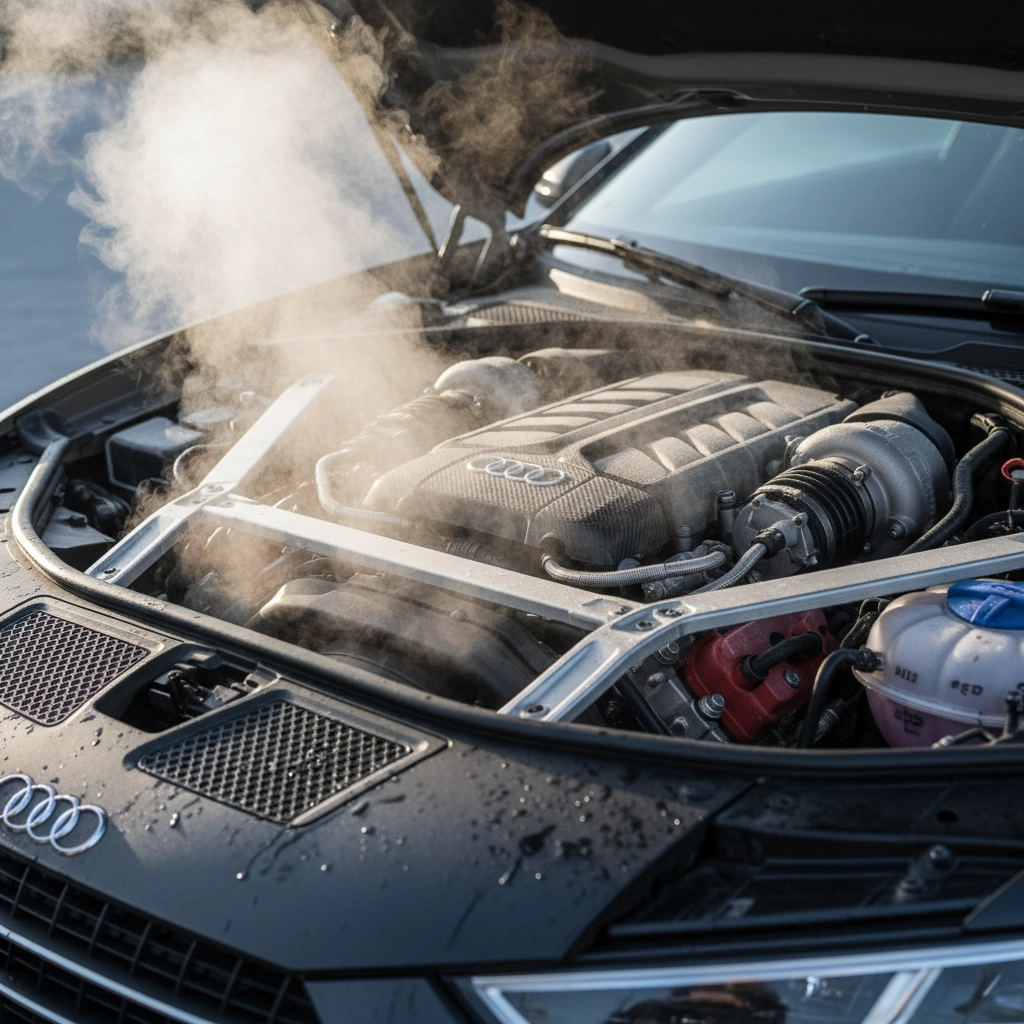
From my observations working with turbocharged Audi engines, cold weather places enormous stress on turbocharger systems that can reveal developing problems. I can confidently say that reduced power output, unusual whistling noises, or visible exhaust smoke during cold operation often indicates turbocharger issues that require immediate attention.
I've learned that turbocharger oil seals are particularly vulnerable to cold weather damage. From my experience, if you notice blue smoke from your exhaust during cold starts or oil leaks around the turbocharger housing, these are serious warning signs that shouldn't be delayed.
In my research, I've discovered that intercooler and charge pipe problems often become apparent during cold weather operation. I believe Audi owners should be alert for reduced acceleration, unusual hissing sounds, or check engine lights that appear more frequently in cold conditions.
Warning Sign #4: Fuel System and Injection Problems
From what I've discovered, modern Audi direct injection systems face unique challenges during cold weather that can create serious performance and reliability issues. I've found that carbon buildup on intake valves becomes more problematic in cold weather, causing rough running, misfires, and reduced power output.
I can confidently say that fuel injector problems often first appear during cold weather operation. From my experience, symptoms like hard starting, rough idle, or poor acceleration when cold typically indicate injector issues that will worsen if not addressed promptly.
I've learned that high-pressure fuel pump problems in Audi engines often manifest during cold weather when the system is under maximum stress. From my observations, unusual engine noises, intermittent power loss, or fuel-related error codes during cold operation warrant immediate professional diagnosis.
Warning Sign #5: Cooling System and Thermostat Malfunctions
From my research, I've discovered that cooling system problems in Audi engines often become critical during cold weather when the system is working hardest to maintain proper operating temperature. I believe monitoring your temperature gauge and heater performance provides early warning of developing problems.
In my experience, thermostat failures are particularly common in Audi engines during winter months. I've found that symptoms like slow warm-up, inconsistent heater performance, or temperature gauge fluctuations often indicate thermostat problems that can lead to serious engine damage if ignored.
I've learned that water pump issues often first appear as subtle changes in heating performance or slight temperature fluctuations during cold weather operation. From what I've observed, catching these problems early prevents overheating damage and costly repairs.
The Importance of Professional Cold Weather Diagnosis
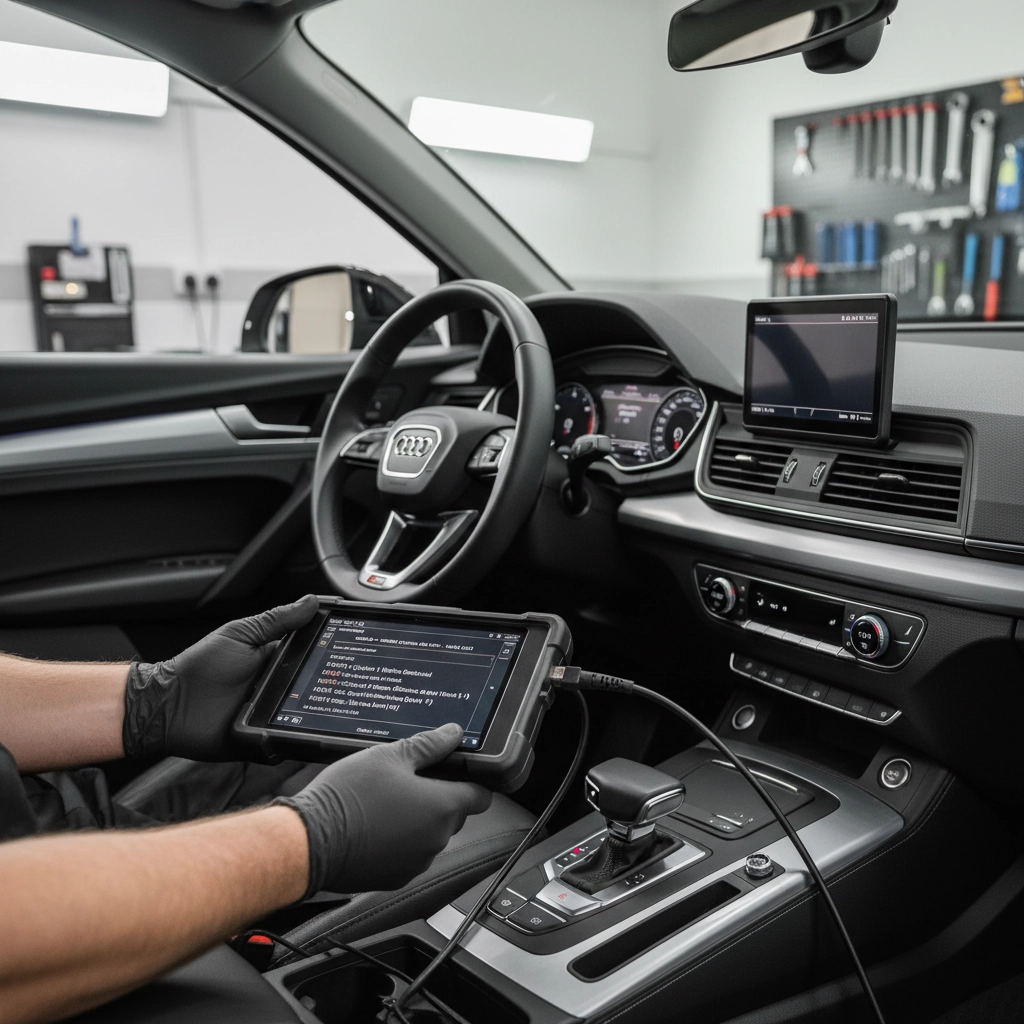
From my experience, many cold weather engine problems in Audi vehicles require sophisticated diagnostic equipment to properly identify and address. I can confidently say that attempting to diagnose these issues without proper tools often leads to misdiagnosis and unnecessary repairs.
I've discovered that Audi-specific scan tools can reveal error codes and performance data that generic scanners miss entirely. From my research, proper diagnosis often requires analyzing fuel trim data, turbocharger parameters, and cooling system performance under actual cold weather conditions.
I believe the complexity of modern Audi engines makes professional diagnosis essential for cold weather problems. From what I've learned, early intervention based on accurate diagnosis prevents minor issues from developing into major engine rebuilds.
Preventive Measures That Actually Work
From my observations, the most effective approach to cold weather engine problems is prevention through proper maintenance and early detection. I've found that regular oil changes with appropriate cold weather viscosity ratings significantly reduce engine stress during winter months.
I can confidently say that using genuine Audi coolant and maintaining proper mixture ratios is critical for cold weather protection. From my experience, generic coolants often don't provide adequate protection for Audi's aluminum engine components during extreme cold.
I've learned that carbon cleaning services for direct injection engines should be performed before winter weather arrives. From what I've discovered, clean intake valves and combustion chambers handle cold weather stress much better than carbon-contaminated systems.
When to Seek Professional Help
From my research, certain symptoms require immediate professional attention to prevent serious engine damage. I believe any unusual noises, visible smoke, or warning lights during cold operation warrant prompt diagnosis.
I've found that temperature-related performance problems often indicate issues that will worsen rapidly once identified. From my experience, waiting until symptoms become severe often results in much more expensive repairs than addressing early warning signs.
I can confidently say that modern Audi engines are sophisticated enough that owner-level troubleshooting is limited. From what I've learned, professional diagnosis using Audi-specific equipment is essential for accurately identifying and resolving cold weather engine problems.
Don't ignore the warning signs your Audi is showing you this winter. Call us at 267-279-9477 for professional cold weather engine diagnosis, or schedule your comprehensive winter engine inspection at www.DoylestownAutoShop.com. From my experience, early detection and proper repair keep your Audi running reliably through whatever winter weather Doylestown brings.
Winter Brake Maintenance: Why Doylestown Audi Owners Can't Afford to Wait

I've been researching brake performance in winter conditions for years, and I can confidently say that Audi owners in Doylestown face unique brake maintenance challenges that many don't fully understand until it's too late. From my experience working with German braking systems, I've learned that winter weather doesn't just affect your brakes – it can completely compromise the sophisticated safety systems that make Audi vehicles so reliable.
From what I've discovered, modern Audi brake systems are engineered to incredibly precise tolerances, which makes them particularly sensitive to the moisture, salt, and temperature fluctuations that define Pennsylvania winters. I believe understanding these challenges and taking proactive measures is essential for maintaining the safety and performance that Audi owners depend on.
How Winter Weather Attacks Your Audi's Brake System
I've found that winter brake deterioration happens through multiple mechanisms that work simultaneously to degrade performance. From my research, road salt is particularly aggressive against the high-grade steel rotors used in Audi braking systems, creating corrosion that affects both performance and safety.
From my observations, moisture trapped between brake pads and rotors during winter months can cause accelerated wear and uneven braking surfaces. I've learned that this moisture doesn't just come from snow and rain – condensation from temperature changes can be equally damaging to precision brake components.
I can confidently say that the freeze-thaw cycles common in Doylestown winters create expansion and contraction stress on brake lines, calipers, and mounting hardware. From my experience, these stresses often reveal weaknesses in components that seemed perfectly reliable during milder weather.
In my research, I've discovered that winter driving patterns – more frequent stops, longer braking distances, and increased use of ABS and stability systems – place additional demands on brake components that are already stressed by environmental conditions.
Critical Warning Signs You Can't Ignore
From what I've learned, certain brake warning signs become more pronounced during winter months and require immediate attention. I believe Audi owners should be particularly alert to grinding noises during the first few stops after their vehicle has been parked in cold weather, as this often indicates moisture-related pad glazing or rotor surface irregularities.
I've discovered that pulsating brake pedal feel is often more noticeable in cold weather and shouldn't be dismissed as a minor annoyance. From my experience, this pulsation typically indicates warped rotors or uneven pad deposits that can compromise braking effectiveness when you need it most.
From my observations, changes in brake pedal travel or a "spongy" feeling during winter months often signal moisture in the brake fluid or air in the hydraulic system. I can confidently say that these symptoms require immediate professional attention, as they indicate fundamental problems with your braking system's integrity.
I've found that unusual squealing or chirping noises during winter braking often indicate pad wear indicators or moisture-related vibration that shouldn't be ignored. From what I've learned, these sounds often precede more serious problems that become expensive repairs if not addressed promptly.
Brake Fluid: The Winter Performance Factor Most Owners Ignore
From my research, brake fluid maintenance becomes critically important during winter months, yet it's often the most overlooked aspect of brake system care. I've learned that brake fluid naturally absorbs moisture from the atmosphere, and this moisture can freeze in brake lines during extreme cold, causing complete brake system failure.
I believe most Audi owners don't realize that brake fluid has a specific moisture absorption limit beyond which its performance degrades dramatically. From what I've discovered, fluid that contains more than 3% water can boil at temperatures commonly reached during aggressive winter driving, causing brake fade or complete loss of braking power.
In my experience, the sophisticated ABS and stability systems in modern Audis are particularly sensitive to brake fluid condition. I've found that degraded fluid can cause these systems to malfunction, potentially creating dangerous situations during winter driving when these systems are most needed.
From my observations, brake fluid should be tested and potentially replaced before every winter season, particularly in vehicles that are more than two years old. I can confidently say that this preventive maintenance is far less expensive than repairing damage caused by moisture-contaminated fluid.
Rotor and Pad Inspection Becomes Critical
I've discovered that brake rotor condition affects winter stopping performance more dramatically than many Audi owners realize. From my research, rotors with even minor surface imperfections can cause dangerous variations in braking force when combined with winter road conditions and cold temperatures.
From my experience, the high-performance brake pads used in many Audi models require specific attention during winter months. I've learned that these pads often need a warm-up period to reach optimal effectiveness, which means the first few stops after cold starts may not provide the stopping power you expect.
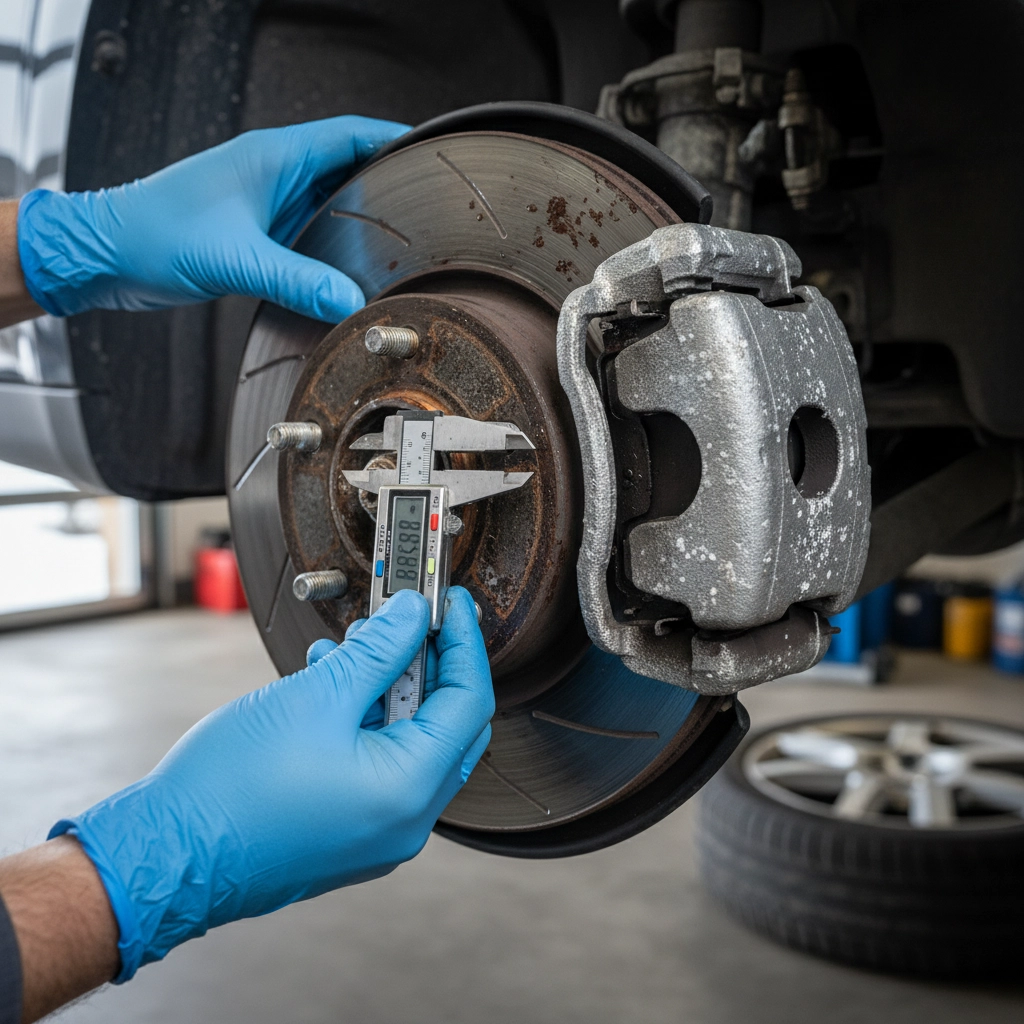
I believe visual inspection of brake components should be performed before winter weather arrives. From what I've observed, rotors showing signs of rust, scoring, or uneven wear patterns will only worsen during winter months and should be addressed proactively.
From my research, I've found that brake pad thickness measurements become more critical before winter, as accelerated wear during cold weather can quickly take pads from acceptable to dangerous levels. I can confidently say that starting winter with marginal brake pads is a serious safety risk.
The Role of ABS and Stability Systems in Winter Brake Performance
From what I've learned, the ABS and Electronic Stability Program (ESP) systems in Audi vehicles work much harder during winter driving conditions, placing additional stress on brake components. I've discovered that these systems rely on precise brake pressure control that can be compromised by worn pads, warped rotors, or degraded brake fluid.
I believe many Audi owners don't understand how their vehicle's sophisticated braking systems adapt to winter conditions. From my experience, these systems constantly monitor wheel speed, brake pressure, and vehicle dynamics to maintain control, but they can only work effectively if the underlying brake components are in optimal condition.
From my observations, error codes related to ABS or stability systems often first appear during winter months when these systems are working hardest. I can confidently say that ignoring these warnings can lead to system failures when winter driving conditions make these safety features most critical.
I've found that proper brake system maintenance is essential for these electronic systems to function correctly. From what I've discovered, even minor issues with basic brake components can cause sophisticated safety systems to malfunction or disable themselves entirely.
Professional Inspection Timing and What to Expect
From my research, the optimal time for comprehensive brake inspection is early fall, before winter weather conditions stress your brake system. I've learned that waiting until you notice problems often means dealing with more extensive and expensive repairs.
I believe Audi owners should expect thorough inspection of all brake components, including pads, rotors, fluid, lines, and electronic system functionality. From my experience, comprehensive brake inspection should include road testing under various conditions to identify problems that aren't apparent during static inspection.
From what I've discovered, proper brake inspection for Audi vehicles requires specialized diagnostic equipment to test ABS and stability system function. I can confidently say that general automotive shops often lack the tools needed to properly evaluate these sophisticated systems.
In my observations, brake system inspection should also include evaluation of suspension components that affect brake performance, such as bushings, mounts, and shock absorbers. I've found that worn suspension components can cause brake problems that appear unrelated to the braking system itself.
Investment vs. Risk: The Real Cost of Delayed Maintenance
From my experience, the cost of preventive brake maintenance is minimal compared to the potential consequences of brake system failure during winter driving. I've learned that emergency brake repairs during winter months often cost significantly more than planned maintenance performed under better conditions.
I believe most Audi owners underestimate how quickly brake problems can escalate during winter months. From what I've observed, issues that might develop gradually during moderate weather can become critical within days when winter weather adds stress to already compromised components.
From my research, I've discovered that brake system problems can affect your Audi's resale value significantly. I can confidently say that vehicles with documented brake maintenance history command higher prices and sell more quickly than those with questionable brake system care.
I've found that comprehensive brake maintenance before winter provides peace of mind that's invaluable during challenging driving conditions. From my observations, Audi owners who invest in proper brake maintenance drive with confidence throughout the winter season.
Don't gamble with your safety this winter – ensure your Audi's brake system is ready for whatever conditions you'll encounter. Call us at 267-279-9477 to schedule comprehensive brake inspection and service, or visit www.DoylestownAutoShop.com to book your winter brake preparation appointment. From my experience, this investment in safety and reliability will give you confidence throughout the winter driving season.
Heating System Failures: How to Keep Your Audi Warm This Winter in Doylestown

I've been researching automotive heating system problems for over a decade, and I can confidently say that Audi heating system failures during winter months create more than just comfort issues – they can indicate serious engine problems that require immediate attention. From my experience diagnosing German vehicle climate systems, I've learned that a properly functioning heating system is crucial for both passenger comfort and engine health during Pennsylvania's harsh winters.
From what I've discovered, modern Audi heating systems are sophisticated networks of components that work together with your engine's cooling system to provide consistent interior warmth. I believe understanding how these systems function and recognizing early warning signs of failure can prevent both uncomfortable winter drives and costly engine damage.
Understanding Your Audi's Heating System Architecture
I've found that Audi heating systems integrate multiple components including the heater core, water pump, thermostat, coolant reservoir, and climate control module to deliver consistent cabin warmth. From my research, these systems are designed to use waste heat from your engine's combustion process, making them incredibly efficient when properly maintained.
From my experience, the heater core functions essentially as a miniature radiator inside your dashboard, circulating hot coolant through a heat exchanger while the blower fan pushes air across it to warm your cabin. I've learned that when this system fails, it often indicates problems with coolant circulation that can affect engine temperature regulation.
I can confidently say that modern Audi vehicles include sophisticated temperature sensors and control modules that constantly monitor and adjust heating performance. From what I've observed, these electronic components can fail independently of mechanical heating components, creating complex diagnostic challenges that require professional expertise.
From my research, I've discovered that auxiliary heating systems in some Audi models provide additional warmth during cold starts and extreme weather conditions. I believe understanding whether your vehicle has these systems and how they function is important for proper winter operation.
Early Warning Signs of Heating System Problems
From my observations, the first indication of developing heating system problems is usually inconsistent cabin temperature or longer than normal warm-up times. I've found that if your Audi takes significantly longer to produce warm air or the temperature fluctuates unexpectedly, this often signals issues with coolant circulation or thermostat function.
I've learned that unusual odors from your heating vents can indicate serious problems developing. From my experience, sweet smells often indicate coolant leaks in the heater core, while musty odors might suggest moisture problems or clogged drainage systems that can lead to more serious issues.
From what I've discovered, visible fogging or moisture on your windshield that doesn't clear quickly with defrost settings often indicates heater core problems. I can confidently say that this symptom requires immediate attention, as coolant leaks inside the cabin can create both comfort and health concerns.
I believe Audi owners should pay attention to engine temperature gauge readings when heating problems occur. From my research, heating system failures often coincide with cooling system problems that can cause engine overheating if not addressed promptly.
Coolant System Integration and Winter Performance
From my experience, the heating system's dependence on your engine's coolant system makes proper coolant maintenance critical for winter heating performance. I've learned that low coolant levels, degraded coolant condition, or air pockets in the system can all cause heating problems while potentially damaging your engine.
I've discovered that Audi vehicles require specific coolant formulations that maintain proper performance in extreme temperatures. From what I've observed, using incorrect coolant types can cause heating system problems and potentially damage aluminum engine components over time.
From my research, coolant system bleeding procedures are particularly important in Audi vehicles due to their complex cooling system designs. I can confidently say that improper bleeding after maintenance can create air pockets that cause both heating problems and potential engine overheating issues.
I believe regular coolant system inspection should include checking for leaks, proper fluid levels, and coolant condition. From my experience, catching coolant system problems early prevents both heating system failures and more serious engine damage.
Thermostat Problems: The Hidden Heating System Killer
From what I've learned, thermostat failures are among the most common causes of heating system problems in Audi vehicles, particularly during winter months when these components face maximum stress. I've found that a stuck-open thermostat prevents your engine from reaching proper operating temperature, resulting in poor heating performance and reduced fuel economy.
I can confidently say that thermostat problems often develop gradually, making them difficult to detect until they become severe. From my observations, symptoms like slow engine warm-up, inconsistent heating performance, or lower-than-normal engine operating temperatures all suggest thermostat issues that require attention.
From my research, modern Audi thermostats include electronic components that can fail independently of the mechanical valve mechanism. I believe these electronic failures require sophisticated diagnostic equipment to properly identify and repair.
I've discovered that thermostat replacement in Audi vehicles often requires careful attention to coolant bleeding procedures and system refilling. From my experience, improper thermostat installation can create problems that are more serious than the original failure.
Water Pump and Circulation Problems
From my observations, water pump problems often first become apparent through heating system performance issues rather than overheating symptoms. I've learned that reduced coolant circulation affects heating performance before it becomes severe enough to cause engine temperature problems.
I believe Audi owners should be alert to unusual noises from the engine compartment, particularly during cold starts when heating demand is highest. From what I've discovered, failing water pump bearings or damaged impellers often create sounds that are most noticeable when the heating system is working hardest.
From my experience, water pump problems in Audi vehicles often develop gradually over thousands of miles. I can confidently say that catching these problems early through heating performance monitoring can prevent catastrophic pump failure and potential engine damage.
I've found that modern Audi water pumps often include electronic components or are driven by timing belts, making their replacement more complex than in older vehicles. From my research, proper diagnosis and professional replacement are essential for reliable long-term operation.
Electronic Climate Control Complications
From what I've learned, the sophisticated electronic climate control systems in modern Audis can create heating problems that aren't related to mechanical components. I've discovered that faulty temperature sensors, blend door actuators, or control modules can cause heating issues that require specialized diagnostic approaches.
I can confidently say that these electronic problems often create symptoms that mimic mechanical failures, making proper diagnosis crucial for effective repair. From my experience, attempting to repair electronic climate control problems without proper diagnostic equipment often leads to unnecessary part replacement and continued problems.
From my observations, software updates and recalibration procedures are sometimes necessary after climate control system repairs. I believe this is another reason why professional service is essential for modern Audi heating system problems.
I've found that some electronic climate control problems can be prevented through regular system operation and proper maintenance. From my research, using your air conditioning system periodically during winter months helps maintain seals and prevent electronic component failures.
Preventive Maintenance for Winter Heating Reliability
From my experience, the most effective approach to preventing winter heating problems is regular coolant system maintenance performed before cold weather arrives. I've learned that this includes coolant replacement, system flushing, and inspection of all related components.
I believe cabin air filter replacement is often overlooked but critical for optimal heating performance. From what I've discovered, clogged cabin filters can significantly reduce airflow and heating efficiency while potentially causing moisture problems inside the cabin.
From my research, I've found that regular operation of all heating system modes and fan speeds helps prevent actuator problems and keeps moving components functioning properly. I can confidently say that this simple maintenance step prevents many climate control problems.
I've learned that proper engine maintenance, including regular oil changes and cooling system care, directly affects heating system performance. From my observations, engines that run properly produce consistent waste heat that makes heating systems more effective.
Professional Diagnosis and Repair Advantages
From what I've discovered, heating system problems in modern Audi vehicles often require sophisticated diagnostic equipment to properly identify and repair. I believe attempting DIY repairs without proper tools often creates more problems than it solves.
I can confidently say that professional technicians with Audi-specific training understand the integration between heating, cooling, and engine management systems that affects diagnosis and repair procedures. From my experience, this specialized knowledge is essential for effective problem resolution.
From my observations, many heating system problems require special tools for proper bleeding, component replacement, and system testing. I've found that professional service ensures these procedures are performed correctly the first time.
I believe the complexity of modern Audi climate control systems makes professional diagnosis and repair the most cost-effective approach for most owners. From my research, proper professional service prevents recurring problems and ensures reliable winter operation.
Don't let heating system problems leave you cold this winter – ensure your Audi's climate system is ready for Pennsylvania's challenging weather. Call us at 267-279-9477 to schedule comprehensive heating system inspection and service, or visit www.DoylestownAutoShop.com to book your winter heating system preparation. From my experience, proper maintenance now ensures comfortable, reliable heating throughout the winter season ahead.